Infection after a total knee replacement is a rare but disastrous complication. The diagnosis and treatment of an infected total knee has become quite standardized over the last few years. TKA infections can be temporally divided into three types: acute (less than three months), subacute (three to 24 months) and chronic (>24 months).
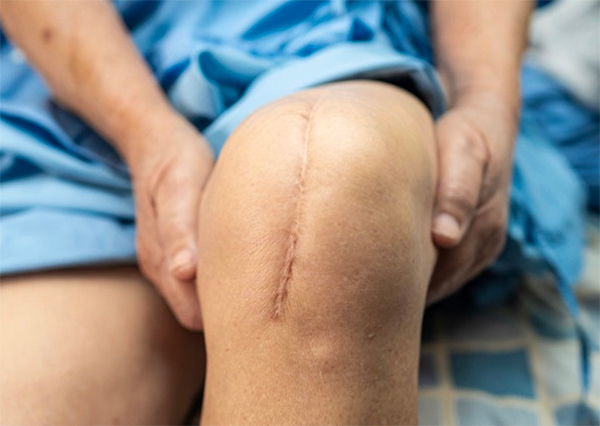
There are many ways patients can present when they have a deep-seated joint infection. Most patients present with warmth and swelling around the joint itself with pain and difficulty mobilising. This can be weeks or months after surgery. Other symptoms include fevers, a wound drainage or wound breakdown and help should be sought straight away. From the assessment and the clinical history, it can be defined whether the patient has high or low likelihood of infection.
After clinical and temporal characterization, laboratory tests form part of the investigation of infections. C-reactive protein (CRP) levels and erythrocyte sedimentation rate (ESR) are evaluated in patients with suspected TKA infection.
Imaging examinations like x-rays, ultrasound scans can also be used, where appropriate, or bone or white cell scans, which are performed when relevant.
Treatments can vary depending on the complexity and timing of initial surgery - whether the infection early after surgery (less than 3 months), 12-24 months or 2 years after.
Most early infections can be addressed with thorough washout with a liner change and multiple debridement and washouts, in addition to 6 weeks to 3 months course of antibiotics. This is called DAIR – debridement, antibiotics and implant retention. Patients who have a long history of symptoms or have sinus tracts are less likely to benefit from this treatment method.
It’s important to reduce the risk factors of joint infections such as obesity, smoking, control diabetes, control heart diseases or chronic health problems and optimise these before surgery with a peri operative-physician.
It is also imperative for patients to ask their surgeon what precautions they should take before, during and after surgery that can reduce the risk of infection.
We take pride in the fact that Orthonova Hospital Jalandhar is in the list of a chosen few hospitals throughout the world having zero % infection rate, despite the large number of surgeries and huge rush of patients from throughout the country and even overseas.